












Most Read Articles

How to Speed Up Your Laptop Without Buying a New One
Laptops slow with time due to clutter, bloatware, and wear but selective tweaks will bring snappy performance without upgrades. Free utilities and practices recover speed

AI in Everyday Tools: What’s Changing Behind the Scenes
Everyday apps are run silently by AI and anticipate what is needed and robots the…
Best Productivity Apps to Simplify Your Daily Workflow
Apps that help boost productivity eliminate confusion, which automates tasks and recovers time. These cross…

Cloud Software Explained: What Beginners Should Know
Cloud software places applications and data on the internet servers and replaces local installations with…


New on the Blog

How to Speed Up Your Laptop Without Buying a New One
Laptops slow with time due to clutter, bloatware, and wear but selective tweaks will bring snappy performance without upgrades. Free utilities and practices recover speed and years of life on the device. These steps should be taken in order to achieve a visible improvement in boot times, application launches, and multi-tasking.
Clear Storage Clutter Ruthlessly
Everything is throttled with full drives. Aim for 20-30% free space. Clean up Run Disk Cleanup (Windows) or Storage Management (Mac) to remove temps, caches, and recyclers. Uninstall unnecessary applications through Settings Apps. Transfer files to other drives or cloud services- Google Drive or OneDrive transfers videos/photos immediately. Clear browser caches on a weekly basis; extensions such as CCleaner are automated. Outcome: 20-50% faster file access, less swap usage.
Manage Startup Programs Aggressively

Boot delays are caused by auto-loaders. Windows Task Manager (Ctrl+Shift+Esc > Startup) can be used to disable that which is not necessary, such as Spotify or Adobe updater- right-click, Disable. Mac Activity Monitor >Login Items removes extras. Only antivirus and drivers should be limited, which saves 30-60 seconds on startup. Such tools as Autoruns (advanced) expose undercover culprits.
Update Software and Drivers Systematically
Outdated code drags. Turn on automatic updates in windows update/ windows settings/General or Mac system settings/ Software update. Check GPU drivers manually through NVIDIA/AMD/Intel applications- game-ready versions are 1520 percent faster. Extensions can be updated through chrome extensions. Memory leaks are patched, slow downs are avoided by doing monthly checks.
Optimize RAM and Virtual Memory
Close apps/tabs beasts, Chrome only consumes gigabytes. Kill hogs (End Task/Force Quit) using Task Manager/Activity Monitor. Windows: adjust the virtual memory in System Properties, Advanced, Performance, Virtual Memory 1.5x RAM. Mac: clear memory using Terminal command “purge.” Browser flags such as -max old space size restricts node processes. Add 8GB sticks when slots are free and increase capacity at a low cost.
Scan and Eliminate Malware Thoroughly
Infections hog cycles. Conduct weekly full Malwarebytes or Windows Defender scans; block adware/pop-ups. Drive-bys are blocked by ad-blockers such as uBlock origin. Unset up browsers, delete extensions. VPNs prevent load slacking trackers. Clean systems start 2 times quicker, applications open with flair.
Fine-Tune Hardware and Cooling Efficiency
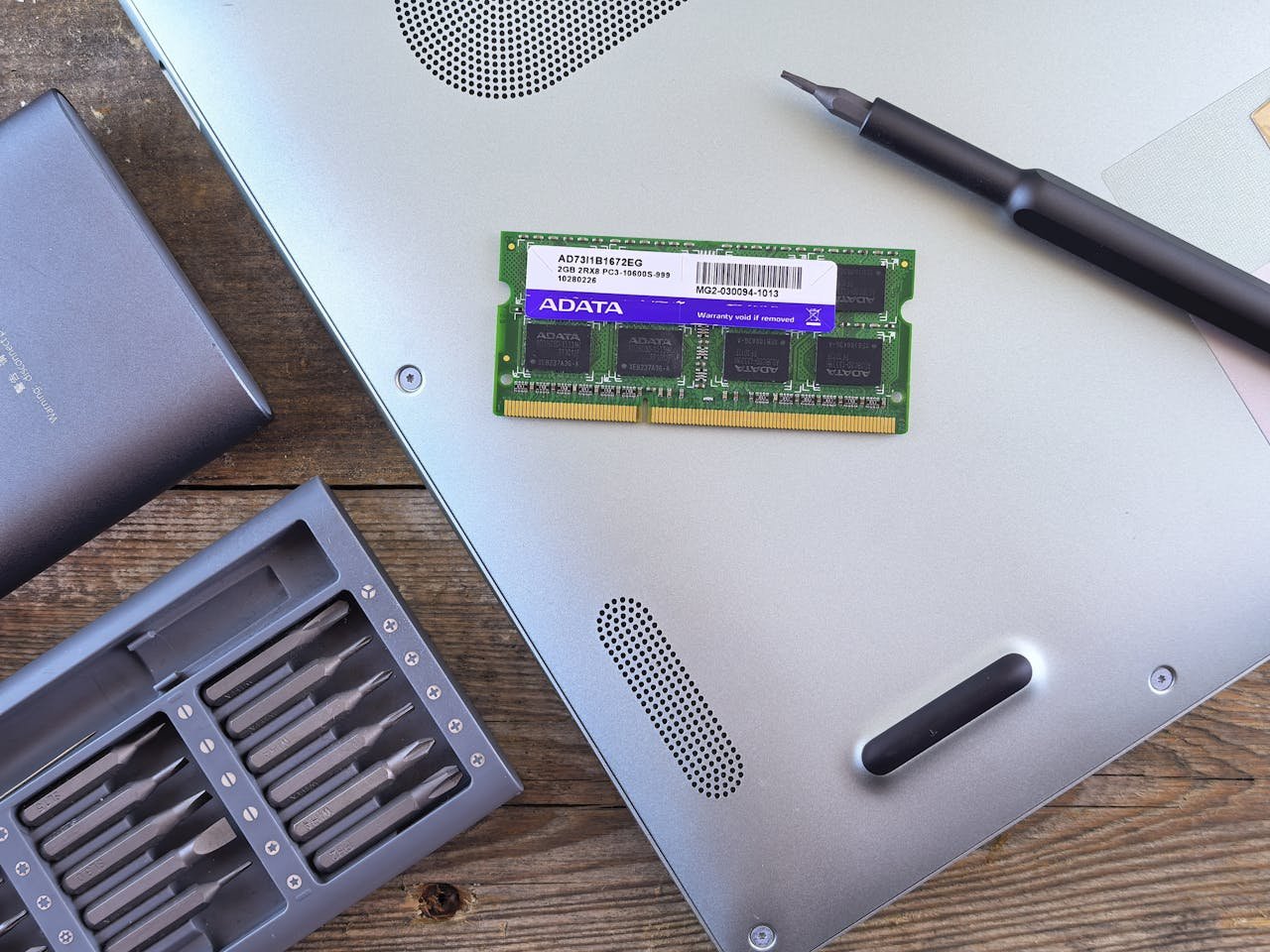
Vents are choked by dust, fans are cleaned quarterly by canned compressor air, and thermals are regained. Raise laptops on stands to allow air to flow in order to avoid throttle. Windows Power plan to High performance (settings power); Mac energy saver deselects sleep proxies. Defrag HDDs once every month (SSD not required); TRIM SSDs through Optimize Drives. External cooling pads lower temperatures 10-15 o C.
Browser and App Habits for Daily Speed
Use other lightweight browsers such as Firefox in case Chrome is slow. Pin favourable applications to taskbars/docks. Turn off visual effects: Windows Sys Properties > Advanced > Performance settings > Adjust to best performance. Mac decrease transparency/motion in Accessibility.
Compounding benefits are gained in terms of maintenance, such as a weekly clean, monthly scans, quarterly hardware inspections. Test benchmarks using UserBenchmark or Geekbench before and after. Laptops wake up like the dead- Windows 10-year-olds are fast now. Good things come to those who wait; no hardware requirements.

How Tech Startups Turn Ideas Into Scalable Products
Technology startups are changing bare idea into million-user platforms in lean and iterative cycles. Hit and Flops are divided by validation, prototyping and relentless scaling.
Validate with MVP Testing
Ideas die without proof. Create Minimum Viable Products (MVPs) bare-bone applications that are core value-testing. Dropbox began with a video demonstration; Airbnb had air mattresses. Go live on Product Hunt or Reddit, get feedback through surveys or analytics. Pivot when metrics fail: 70 percent of startups die because they are not needed by the market. Pain points can be identified quickly with such tools as Google Forms or Hotjar.
Prototype Rapidly with Agile Sprints
Code wireframes into clickable prototypes with Figma or Bubble no-code. Create cross-functional teams of 2-week sprints: design, dev, test. Trello/Jira is used to track tasks; daily standups are squashed blockers. Deploy pipelines through GitHub Actions to enable instant deploys. Bugs are revealed early in Betas on TestFlight or Vercel and UX is refined prior to complete builds.
Secure Funding for Growth Fuel
Pitch decks accentuate traction- user growth, retention rates. Bootstrap through Stripe subscriptions or angels through Y Combinator. Measures are important: 40% MoM growth opens up $500K rounds. On SeedInvest, the process of capital democratization is through equity crowdfunding.
Scale Infrastructure Dynamically
Automatic scaling of servers is provided by cloud providers such as AWS or Vercel. Microservices do not bind features, Kubernetes coordinates containers. Datadog monitoring- 99.9% uptime goals. A/B test with Optimizely; Firebase can support 1M+ users without any issues.
Iterate Relentlessly on Data
Analytics drive evolution. Mixpanel follows funnels; Amplitude splits cohorts. NPS surveys guide features. Sacred cows are killed with weekly retrospectives. Effective pivots such as Slack in gaming are a result of data and not egos.
Startups win by shipping quickly, listening to customers more, scaling to smart. Conceptions burn; action conquers.
Common Cybersecurity Mistakes and How to Avoid Them
Simple mistakes are used as cyber threats, yet knowledge transforms weaknesses into advantages. It is through disciplined habits that these pitfalls should be avoided.
Weak Passwords Open Easy Doors
Using password123 on different websites begs to be violated. Hackers break in 80 percent through dictionaries. Fix: Passphrases such as BlueHorseBatteryStaple (16+ characters) should be used. Such managers as Bitwarden or LastPass generate/store uniques. Activate 2FA everywhere- apps defeat SMS.
Ignoring Software Updates Leaves Gaps
Known exploits are found in old OS/apps. WannaCry reached out to millions of people using unpatched Windows. Resolution: Automatic windows/mac/iOS/Android updates. Browsers (Chrome/Edge) and Adobe Flash alternatives should be in priority. Reboot every week to install patches.
Clicking Phishing Links Unleashes Malware
This is where attacks by email impersonating banks begin to ransomware. Avoid: Never click on hover links–check URLs. Scans can be done using antivirus such as malwarebytes. Phishing.org trainings.
Skipping Backups Risks Total Loss
Lack of backups translates to ransomware victory. Fix: 3-2-1 rule -3 copies, 2 types of media, 1 offsite. Cloud based Backblaze or external hard disks. Test restores quarterly.
Public WiFi Exposes Data
The networks of coffee shops spy on traffic. All the time use VPNs (NordVPN/ExpressVPN). Avoid banking/logins. Activate HTTPS Everywhere extension.
Sharing too much on Social Media becomes a helper of hackers.
Pets generate password guesses and birthdays. Restricted posts; privacy settings are at their highest level. Fake details on profiles.
Daily monitoring – powerful creds, updates, backups – thwarts 95 percent threats. Stay safe effortlessly.
Machine Learning Explained in Simple Terms
Machine learning (ML) is the technology that enables smart technologies such as Netflix recommendations or spam filters to learn based on the data without being programmed to do so. It is pattern recognition on steroids, no rules have to be hardcoded, you just feed in examples.
Data: The Fuel for Learning
ML begins with data-sets: pictures, words, figures. They are tagged in supervised learning (e.g., cat photos tagged). Unsupervised sorts just cluster together (e.g. similar customers). The more good data the smarter the models, such as training a kid with examples.
Algorithms: The Brain’s Rulebook
Algorithms crunch data. Flowcharts have the structure of decision trees (“Is it furry? Yes? Cat!”). Neural networks are brain simulators that weight the inputs to predict. Train through trial-error: make errors, change weights. The epochs are repeated until the accuracy reaches its peak.
Training: Practice Makes Perfect
Feed data, prediction of tests, reduce errors by using loss functions. Gradient descent adjusts the parameters downhill to accuracy valleys. Memorization of training data (not good with new inputs) is prevented by regularization (through dropout).
Real-World Magic
Recommendations: Amazon processes buys, forecasts You will like this. Voice assistants Siri transcribes speech patterns. Self driving cars: Recognize pedestrians by cameras. Medical imaging detects tumors quicker than physicians.
ML learns as it evolves- reinforcement learns through rewards ( AlphaGo beat humans at Go). Access to it is provided with tools such as TensorFlow. Future: AI ethics fight prejudice, scale climate models.
Demystified, ML transforms data mess into future. Computers study in the same way as we do- observe, adapt, improve.
AI in Everyday Tools: What’s Changing Behind the Scenes
Everyday apps are run silently by AI and anticipate what is needed and robots the tedious. Neural networks are used to sort emails and even to edit the photos to make smarts seamless.
Smart Assistants Anticipate Actions
Natural language processing of speech, context, and habits is used by Siri, Alexa, and Google Assistant. They are taught by voice pattern, by calendar synchronisation, anticipating Play workout playlist before they are requested. Behind scenes: Transformer models such as GPT take queries, writing human-like answers 10x faster.
Recommendation Engines Shape Choices
The Netflix, Spotify, Amazon study watch history, likes, skips through collaborative filtering. AI groups the users, proposes If you liked this thriller… boosting retention 75%. Billions of interactions are crunched in Matrix factorization to personalize feeds.
Photo Apps Enhance Reality
Google photos, Instagram auto tags of faces, fix lighting, remove backgrounds. Milliseconds to detect edges, objects The computer vision models (CNNs) detect objects and edges in milliseconds. Magic Eraser learns to fill in the gaps and it is trained with many petabytes of images.
Email and Search Get Predictive
Gmail drafts “Thanks! or “On my way.” Trends suggest to search autocomplete best pizza near. Reinforcement learning optimizes on clicks, which decreases typing by 25%.
Navigation and Fitness Track Smarter
Google Maps avoids traffic by using the phone signals through AI forecasts. Fitbit forecasts heart risks based on sleep/walk data. Edge computing executes models on-the-edge towards privacy, speed.
AI replaces the tools with proactive ones and saves several hours per week. Ethical modifications reduce biases; edge AI stores data locally. Tomorrow: AR glasses superimpose insights. Invisible algorithms: everyday magic.
How to Choose the Right Device for Work and Play
To strike a balance between productivity and entertainment implies to choose multitasking devices without compromises. Judge needs, budget and portability to prevent regrets.
Define Your Work-Play Ratio
List priorities: The coding requires intensive laptops such as MacBook Pro (M3 chip, 16GB RAM). Informal emails are appropriate in Chromebooks. Gaming requires NVIDIA RTX GPUs; video calls can successfully work with AI noise cancel webcams. Hybrid users prefer iPad Pros plus Magic Keyboard- touch to sketch, laptop mode to work on the documents.
Prioritize Portability and Battery
Ultrabooks are chosen by Commute warriors that are less than 3lbs, 12+ hour batteries (Dell XPS 13). Desktops such as custom PCs with Ryzen 9 can be placed in stationary setups. Tablets are playtime hits- iPad Air will run Netflix forever. Test real-world drain: Zoom + browsing kills weak cells fast.
Screen and Input Matter Most
4K OLED to the producers who edit 4K content (LG Gram). 120Hz refresh to the gamers who have to avoid being shot up. Touch screens make play (drawing in Procreate); trackpads/trackballs accelerate work. External monitors are connected using USB-C hubs.
Ecosystem and Storage Scale Up
iPhone-Mac iPhone works with Mac, phones with PCs with Windows. Offloads storage- start with 512GB SSD Cloud (iCloud/Google drive). Grow through Thunderbolt docks.
Budget Smart, Future-Proof
Chromebooks costing $500 can do the bare minimum, and those costing $2000 can run AI apps, ray-traced games. Check upgradeability- RAM / SSD slots increase life. Check battery, thermals reviews; purchase returnable.
Right device increases output 30%, fun doubles. The in-store test; match the specs to the lifestyle to allow a smooth transition between work and play.
Smart Gadgets That Are Actually Worth Buying
Smart devices are crowding the shelves yet they are offering actual ROI in terms of time, money, health. Forget hype, invest in known performers.
AirPods Pro for Seamless Audio
The earbuds with noise cancelling block distractions on the way to work or during exercise. Adaptation transparency mode allows voices to pass through safely. Spatial audio engulfs in music/films; 6-hour chargeable battery in case. Loss prevention Find-my tracking. Daily use boosts focus 40%.
Nest Thermostat for Energy Wins
Knows your schedule, automatically sets temperatures to save 15% on bills. Geofencing identifies arrivals, pre-heats houses. The voice recognition of Google Assistant reads out instructions. Easy to install; app monitors the use patterns. Eco-friendly without fuss.
Ring Video Doorbell for Security
HD camera identifies movement, two-sided conversations discourage packages thieves. Night vision, weatherproof. Neighbors app shares alerts. Battery 3 months; solar charger available. Worry cuts down, insurance savings can be made.
Philips Hue Bulbs for Smart Lighting
App/Zigbee control colors, schedules, scenes energizing mornings, warm evenings. Path auto-lights are activated by motion sensors. Bridges Matter with Alexa/Google/HomeKit. The LEDs are energy efficient and reduce expenditure by 80 percent compared to incandescents. Change of mood with ease.
Oura Ring for Health Insights
Smooth tracker tracks sleep, heart rate, no-screen ready scores. AI cycles, stress. 7-day battery; titanium build. Numbers control exercises, relaxation–no mass like timepieces. No subscriptions and privacy-conscious.
Eufy Robot Vacuum for Hands-Free Clean
LiDAR scans houses, evades clutters, empties itself. Mops too; app schedules zones. Silent, strong suction cuts Roomba prices. Saves hours weekly on floors.
Valuable devices are harmonious, ease aches. Put focus on battery life, app ecosystems. Test returns ensure fit.

Best Productivity Apps to Simplify Your Daily Workflow
Apps that help boost productivity eliminate confusion, which automates tasks and recovers time. These cross platform champions simplify work with no high learning curves.
Notion for All-in-One Organization
Central hub combines databases, wikis, notes and calendars. Drag-drop templates construct project boards, habit trackers. AI generates page summaries; inserts Google Docs. Free tier is enough to work alone, teams work in real-time. Replaces 5 apps seamlessly.
Todoist for Smart Task Management
Natural language input: “Email client tomorrow 3pm #work” auto-sorts, schedules. Karmas are inspirational; naming strikes priorities. Unites Gmail, Slack, calendars. Routines are dealt with by recurring tasks. Pro version (4/mo) opens up reminders, themes.
RescueTime for Focus Tracking
Passive logs application, distracts when setting FocusTime. Reports weekly show time sinks- cut social scrolls 50%. Goal-setting causes derailers. No manual input, privacy-first. Free basic; premium includes alerts.
Forest for Distraction-Free Deep Work
Gamifies attention: Plant virtual trees during Pomodoros 25 minutes -phone touches kill them. Real trees that are planted by profits. Multi-device sync; tracking streaks. Cheery music works wonders; improves productivity by 30 per cent.
Zapier for Workflow Automation
No-code links 5000+ apps: New Gmail attachment to Trello card to Slack notify. Zaps operate on the fly; chains save clicks. Free 100 tasks/mo; scales to teams. Ends copy-paste drudgery.
Otter.ai for Meeting Transcription
Live-records Zoom/Teams audio, brings out speakers, action items. Search summaries; exports summaries. Edits on real-time collaboration. Free 600 mins/mo; combines calendars. Transforms voice mails into searchable records.
Arrange the following in order of frictionless flow: Todoist executes, notion plans, Zapier automates. Weekly reviews refine. There is a dramatic increase in productivity.

Cloud Software Explained: What Beginners Should Know
Cloud software places applications and data on the internet servers and replaces local installations with any time usage. No hardware headaches – scale on demand, pay as you go.
Types of Cloud Models
Anyone can use public clouds such as AWS or Google Cloud that host shared servers. The private clouds ensure the safety of company data on special infrastructure. Hybrid is an amalgamation of both. SaaS (e.g., Google Workspace) operates complete apps; PaaS develops bespoke ones; IaaS offers crude servers.
Core Benefits for Starters
All about accessibility: work anywhere, on the phone, on the laptop, with WiFi. Auto-backups eliminate the loss of data; teamwork is brilliant in real-time editing. Average cost is reduced by 30-50 percent as compared to on-premise; auto-scaling eliminates crashes in case of traffic spikes.
Getting Started Simply
Free plans: AWS Lightsail site, Google Cloud storage. No coding required (use dashboards). Drag-drop file migration; Tools are connected through APIs. Basic security: Turn on MFA, encrypt data.
Common Pitfalls to Dodge
Lock-in traps information Vendor lock-in traps data – select open standards. During outages, it is hit by downtime; SLAs are 99.9% uptime. Overspending is wastage of cash- follow-up on usage dashboards.
Everyday Cloud Tools
The files are synchronized with the help of Dropbox; meetings are held on Zoom; Salesforce is used as a CRM. Trello boards exist in Atlassian Cloud. GitHub is a favorite among developers of code repos.
Cloud companies enable solopreneurs to companies, driving booms of remote work. Get something small, master dashboards, go big. Never have to buy hardware beforehand to future proof your workflow.
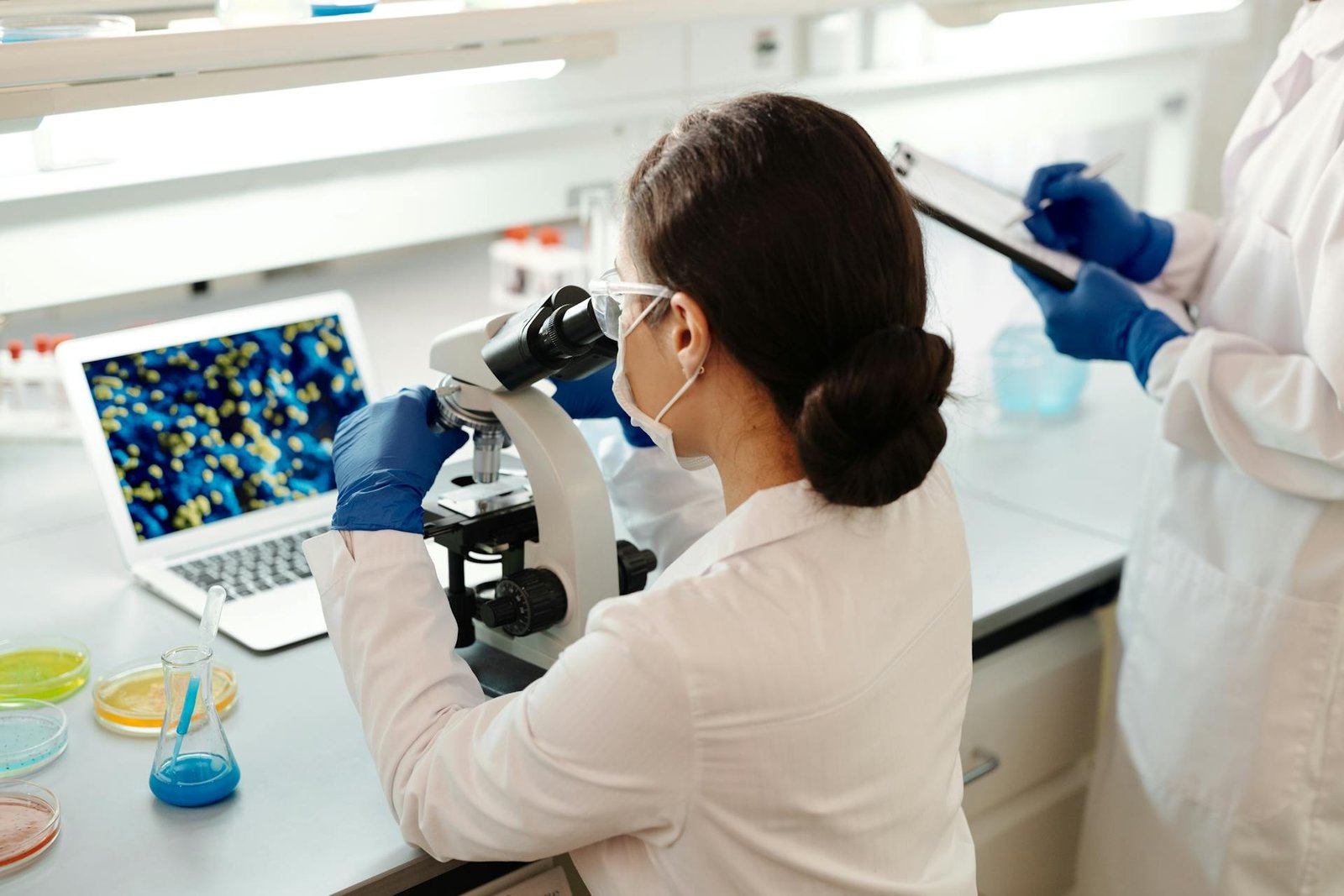
Top Technology Trends to Watch This Year
Younger (2026) is a faster fusion of technology, which will be the integration of AI, quantum jumps, and sustainable technologies. Such changes transform the healthcare industry to the energy industry.
AI Agents Automate Everything
The self-driving AI agents are dealing with complicated activities- booking travel, writing apps, negotiating. They think in steps through the use of tools such as LangChain, as opposed to chatbots. Businesses implement 24/7 virtual employees, which reduce the cost of operations by 40%. Edge AI is a privacy-first smart phone.
Quantum Computing Goes Practical
IBM, Google break qubit error-corrected qubits, drug discovery in hours, not years. Hybrid quantum-classical addresses optimization of logistics. Startups such as Rigetti provide access to the cloud; finance model portfolios are processed exponentially at a faster rate.
Spatial Computing Reshapes Reality
The successors of Apple Vision Pro combine AR/VR with ordinary glasses. The prototypes of Orion holograph by Meta allow holographic meetings. Factories are trained through digital twins; remote surgery becomes accurate. 5G/6G low-latency makes metaverse productivity.
Sustainable Tech Powers Green Shift
Neuromorphic chip emulates brains to ultra-low energy AI. Solid-state batteries have 2x the EV range; perovskite solar 30 percent efficiency. Carbon footprints are monitored through blockchain. Nuclear power data centers go net-zero.
Biotech Meets Digital Health
CRISPR 2.0 is cheaper to edit genes; Neuralink test projects can restore paralysis movement. Wearables forecast diseases through blood biomarkers. AI has a 80 percent accuracy in triage.
These trends are intersecting, AI+quantum hastens discovery; spatial+biotech personalizes medicine. Deepfakes, bias are fought by ethical guardrails. Investors are looking at markets of 10T- adapt.